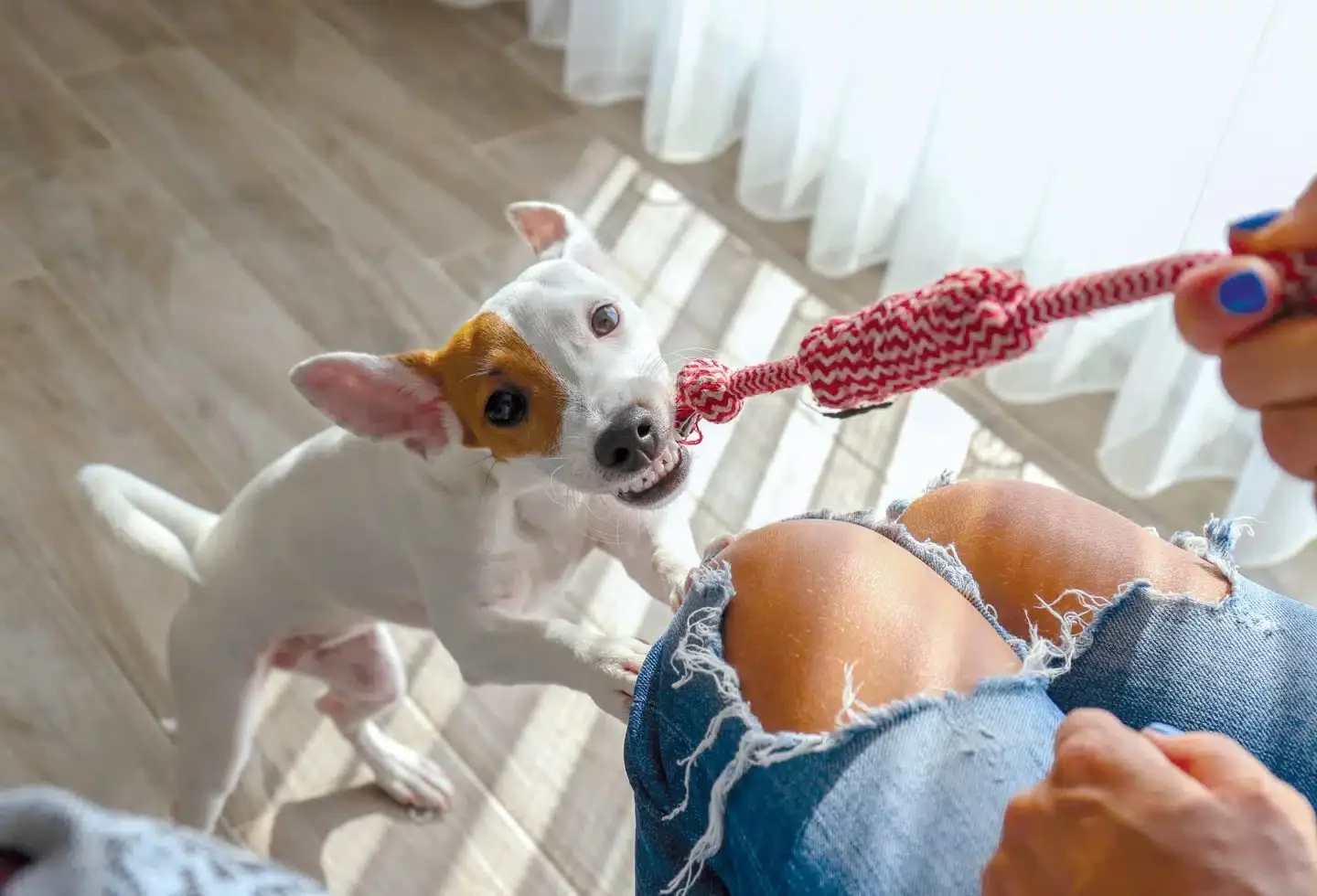
Is tug of war bad for dogs? No—for most healthy pups, tug is a fun, brain-building game that grows confidence, tightens your bond, and gives great physical and mental workouts. The trick is playing i…
★★★☆☆3.3k followers watching

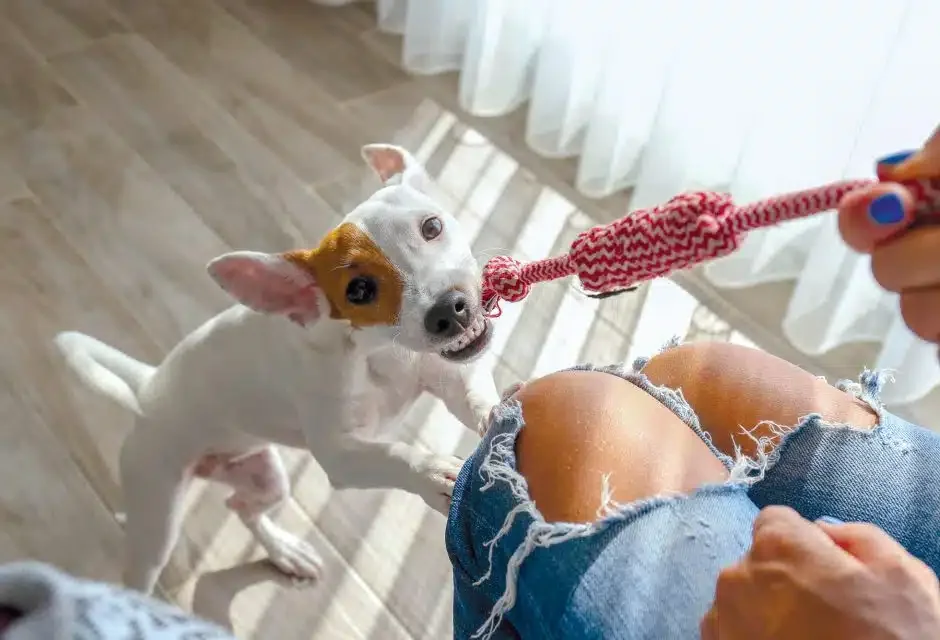
Is tug of war bad for dogs? No—for most healthy pups, tug is a fun, brain-building game that grows confidence, tightens your bond, and gives great physical and mental workouts. The trick is playing it safe. Here's what trainers say about the perks, the myths, and the simple rules for making tug a win.
Growing up, loads of us heard that playing tug with your dog is a bad move:
'It'll teach them to dominate you.'
'They'll figure they can snatch things from you.'
'Playing tug will make your dog aggressive.'
As a pro trainer, I can tell you none of that holds up. Truth is, tug carries a pile of benefits.
Tug delivers physical exercise, mental engagement, and a stronger bond.
Tug can even slot into a behaviour-mod plan to help a dog who's scared of a certain spot or object (like your car) loosen up, since joy is the opposite of fear.
A tug toy should be a length of soft stuff so it won't hurt your dog's teeth or gums. (Skip the game entirely if your dog has neck, back, or other body issues.) Knotted ropes at both ends are a fav, though you may need to test a few to see what hooks your dog. Pick a non-slip surface—carpet or grass—with room for paws to grip and avoid injury. Stash the toy in a drawer or out-of-reach spot till playtime.
Never yank upward, since that can hurt the neck or spine.
If your dog needs a nudge, try this move I've used with clients' dogs: drag the toy along the floor away from your dog in a zig-zag, urging him to chase. It works especially well with high prey-drive dogs.
Once your dog locks on, let him do most of the pulling. This matters most with seniors or pups. Move the toy in a gentle side-to-side—natural for dogs. Never yank up, as it could harm neck or spine.
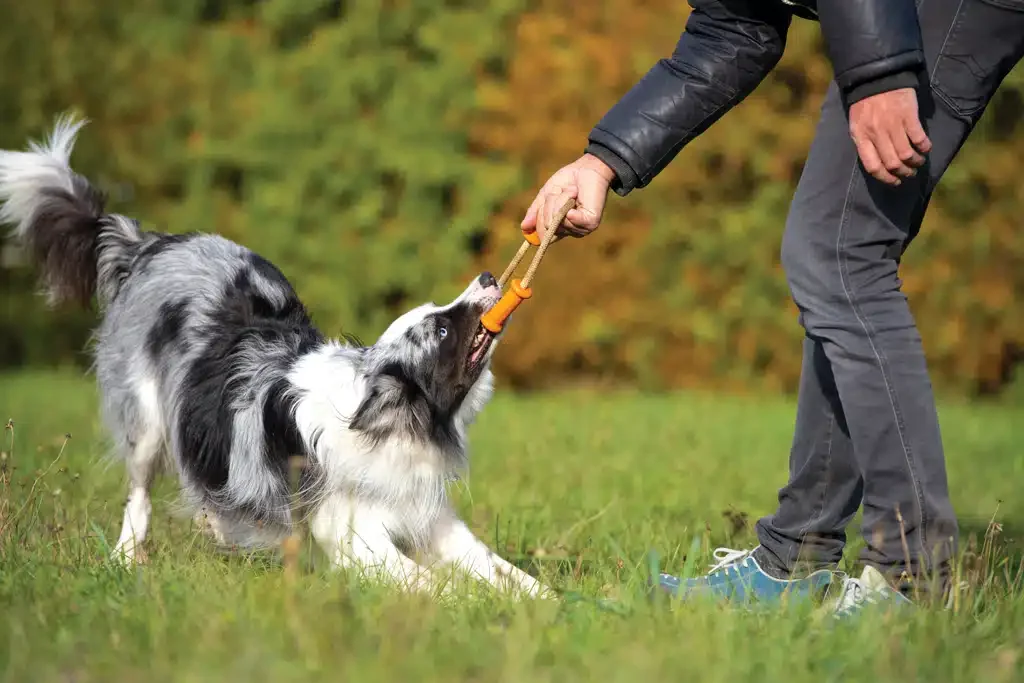
It's normal for dogs to get fired up mid-game. That's great! We want them into it. But the second a tooth touches your skin, it's over. Say 'Too bad!' and put the toy away at once. Many folks think dogs can't control their mouths when overstimulated, but I'm here to say they can—and will—once they learn there are consequences.
If you were told tug breeds dominance, this next rule may surprise you: let your dog win sometimes! Who wants a game they never win? It also builds confidence and teaches sharing. Once you drop the toy, your dog may run off swinging it happily. Don't chase! He may bring it back since you're the fun source. If not, try running the other way to get him to chase you. If, despite your best shot, he bolts to chew it solo, go grab it. Rope toys especially can cause trouble if strands get swallowed—another reason to keep them drawer-bound till needed.
Lastly, you can use tug as a reward and a distraction. Say you're teaching calm passes by other dogs on walks. Keep the toy handy. The moment your dog ignores another dog (start at a comfy distance so he succeeds), offer the toy, do a quick 10-second tug, then end and keep walking. As you see, tug packs plenty of upside. Done right, there's really no downside. Personally, I'd rename 'tug-of-war' to 'tug-of-fun!'
Tug isn't right for every dog. Skip it if your dog fits any of these:
This article originally appeared in the award-winningModern Dogmagazine.Subscribe today…fans are losing it.
Next on the Carpet