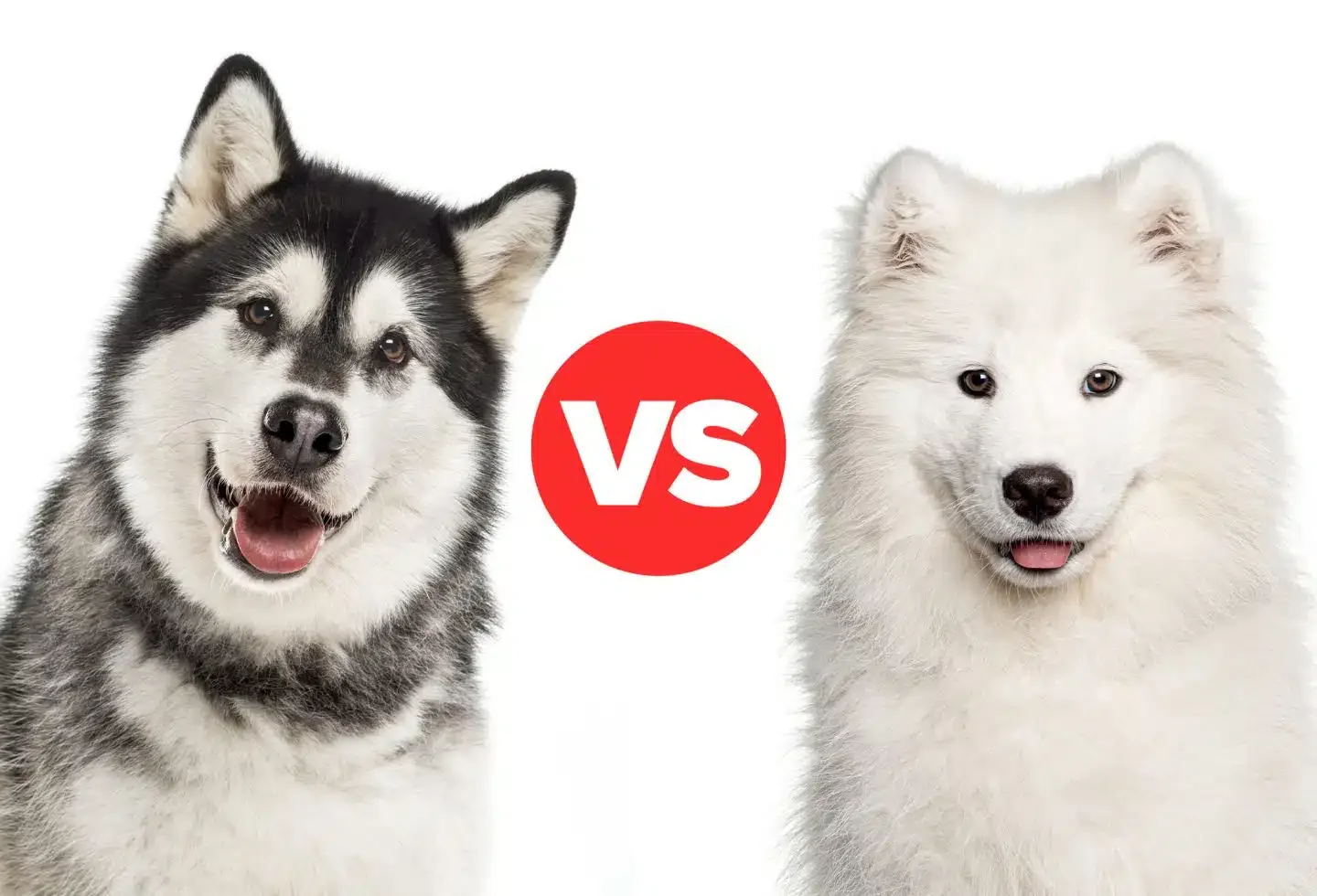
Born up north, the Alaskan Malamute was shaped into the ultimate arctic sled dog. His heavy-boned, deep-chested, 75-to-85-pound powerhouse build and thick, waterproof double coat make him insanely st…
★★★☆☆0.2k followers watching

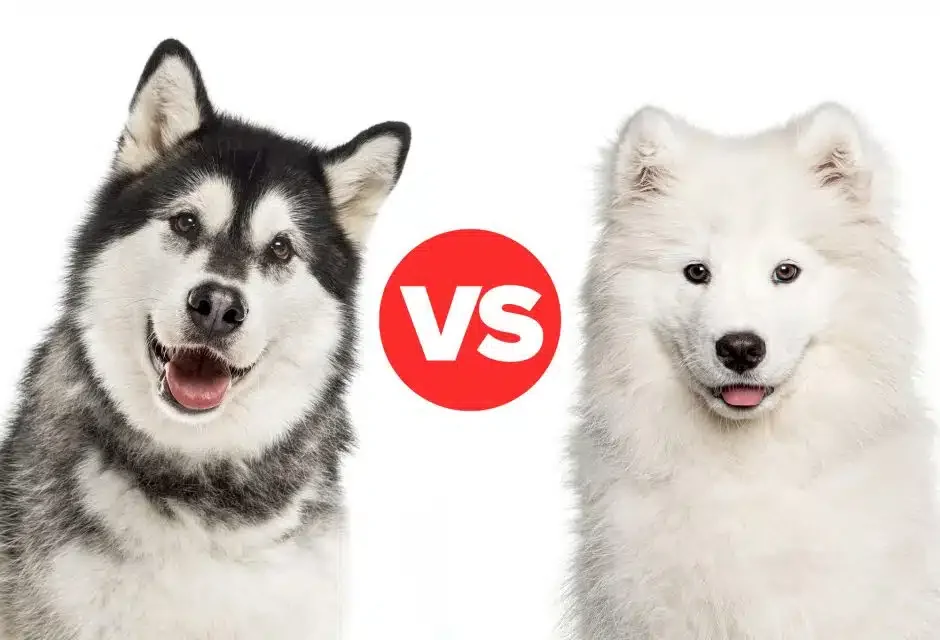
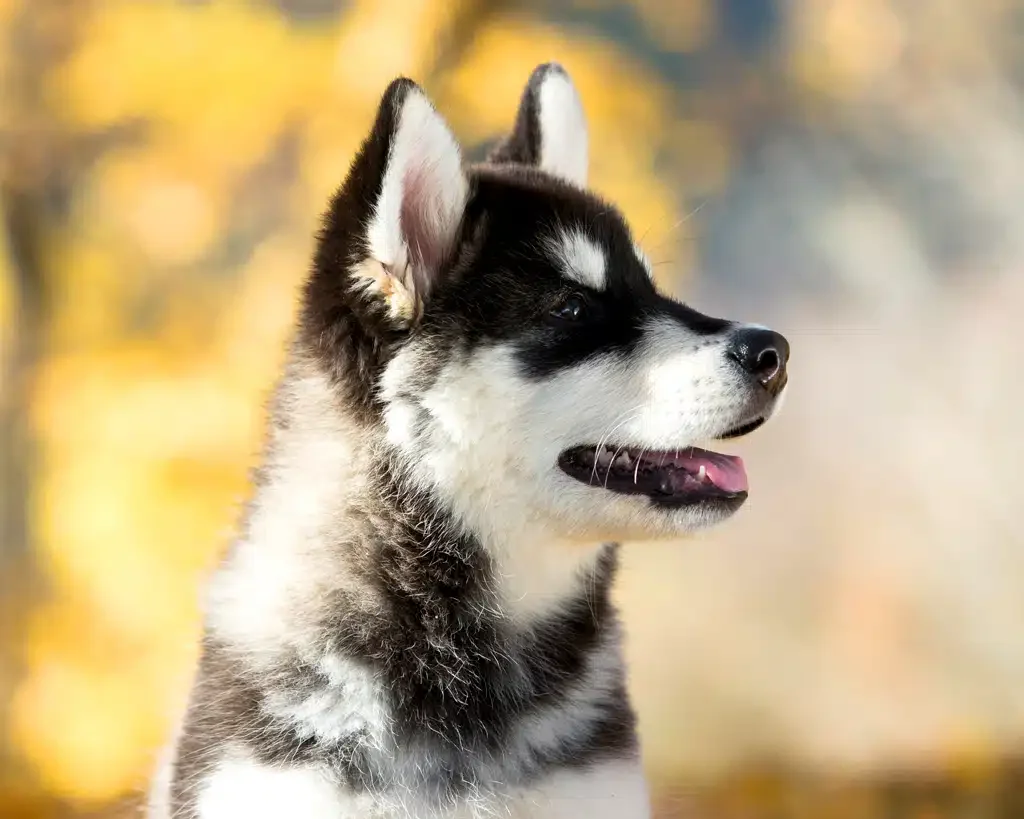
Born up north, the Alaskan Malamute was shaped into the ultimate arctic sled dog. His heavy-boned, deep-chested, 75-to-85-pound powerhouse build and thick, waterproof double coat make him insanely strong and cold-proof. But though bred as a dignified worker, the Mal is also deeply devoted, loyal, and playful. He's all about his pack—though if you don't step up as leader, he absolutely will! A well-raised Mal is gentle and a fantastic family dog, great with kids. One note on that glorious coat: the Mal's impressive double layer needs serious upkeep. Daily pin-comb brushing is a must, and during the twice-yearly shed, you'll need to rake the undercoat. As for exercise, his working roots make this an energetic breed. Built for stamina and hauling heavy loads, this athletic dog needs daily runs, hikes, romps, or swims, and would also love agility, backpacking, and skijoring.
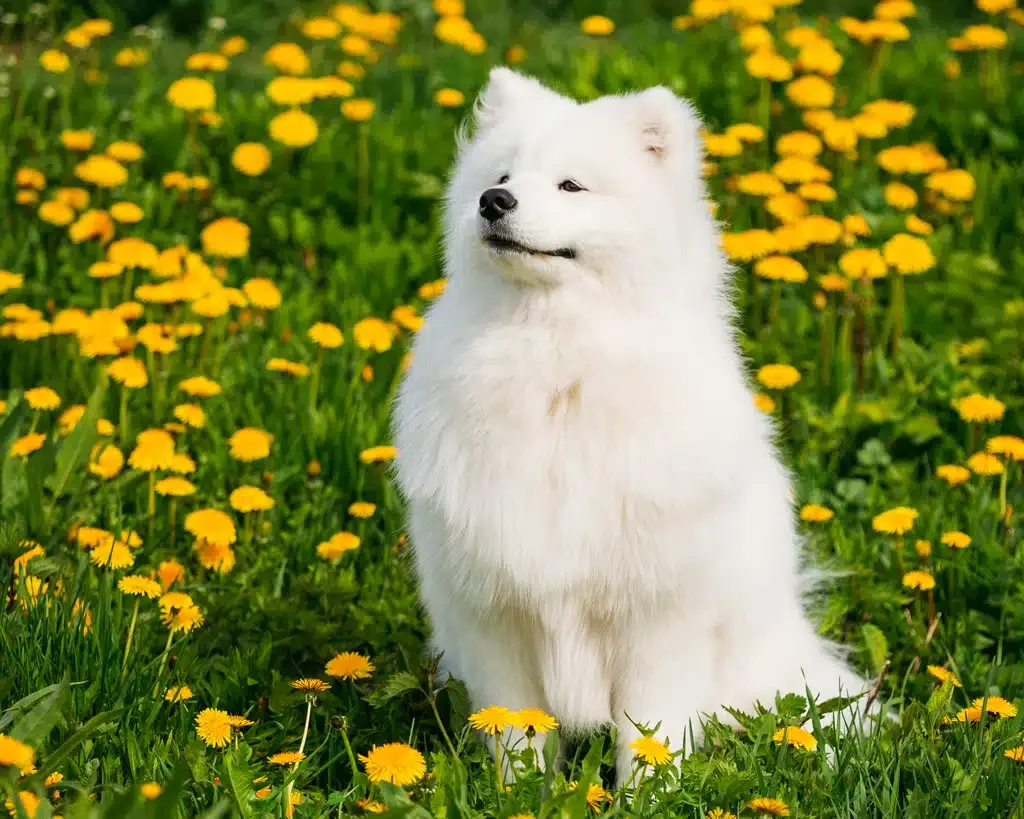
Strong and nimble, these stunning 35-to-65-pound dogs were built to pull sledges and guard and herd reindeer. They're also hugely social and deeply bonded to their people. The Samoyed ranks among the oldest dog breeds, developed centuries ago by the nomadic Samoyed tribes of north-central Siberia, who slept curled against their dogs for warmth through freezing arctic winters. This dog wants to stay close to his humans.
As the AKC puts it, these are 'smart, social, mischievous dogs who demand love and attention. Sammies need a very firm but loving hand in training.' That said, he's no guard dog. The Samoyed is trusting by nature, with an easygoing streak, loyal temper, and a sense of humour. An energetic breed with a fun, bubbly personality, he's got ample steam (they'll run for miles if you let them) and a mind of his own, yet still aims to please. Like most Nordic breeds, the Samoyed is quite the chatterbox, and brushing (and de-shedding!) are non-negotiable.
Independent-minded yet loyal to his family, the well-mannered (read: cared-for and trained) Samoyed is an absolute dream.
Is the Samoyed right for you? Find out more at: moderndogmagazine.com/samoyed
Turns out to be the Samoyed right meant for you?Find out more at:moderndogmagazine.com/samoyed
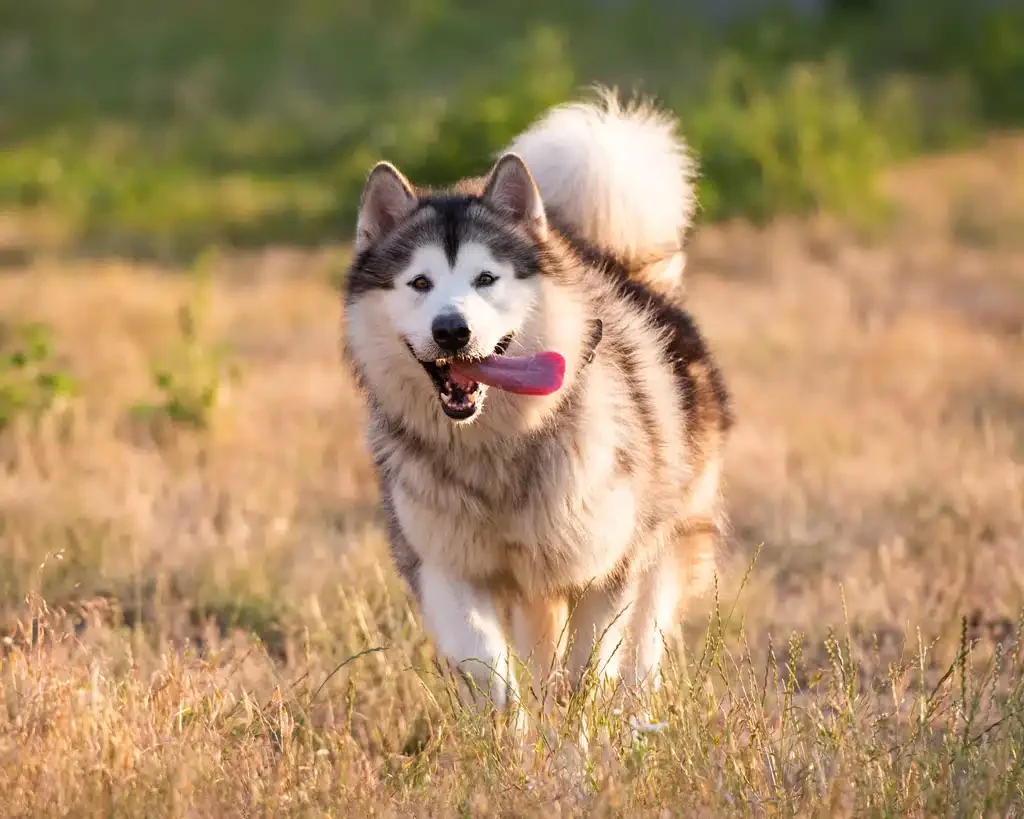
The Alaskan MalamuteLGreen/Bigstock
Alaskan Malamutes, while also affectionate, are generally more independent and reserved. They're loyal to their families but can be more aloof with strangers. Thanks to their working-dog past, Malamutes pack a strong drive and often sport an independent streak. They can be a touch stubborn, so early training and socialization matter to lock in good habits. They also tend to be quieter than Samoyeds, with a more serious air.
Alaskan Malamutes, while also affectionate, are generally more independent and reserved.
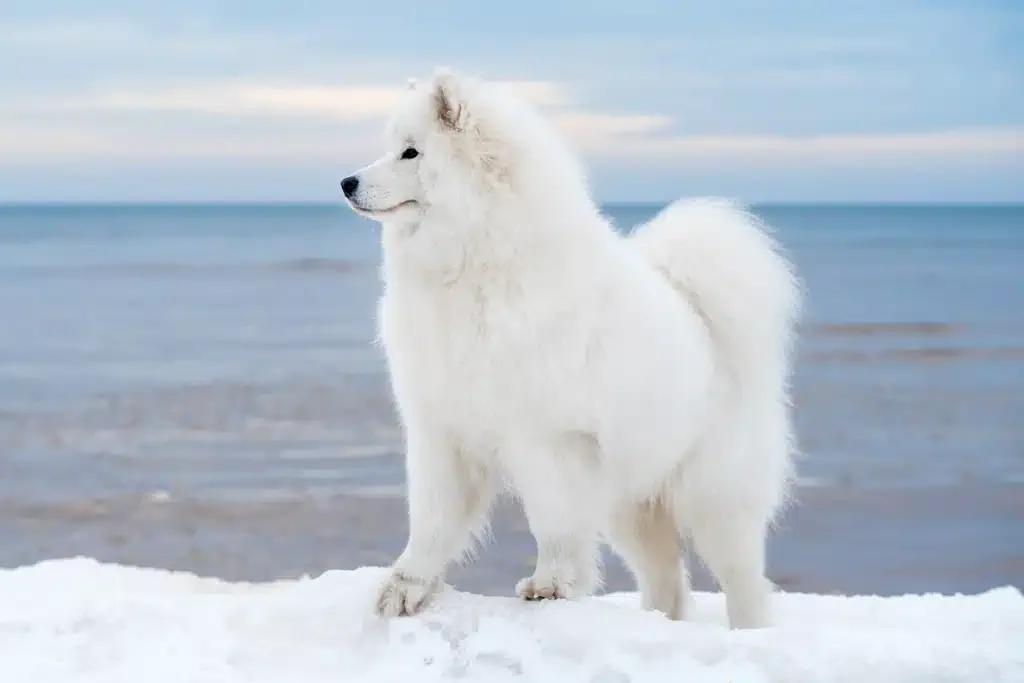
The SamoyedZanna Pesnina/Bigstock
Both breeds need plenty of physical activity to stay healthy, since they were bred for harsh climates and demanding work. That said, the Alaskan Malamute's bigger frame and heavy-duty sledding history mean they need harder exercise—long walks, runs, or chances to pull weight. Samoyeds are also high-energy, loving active play and running, but they often adapt to more moderate levels as long as their minds stay busy.
The Alaskan Malamute's bigger frame and heavy-duty sledding history mean they need harder exercise.
In short, while the Samoyed and Alaskan Malamute share some looks thanks to their shared Arctic roots, they're distinct breeds with their own personalities, sizes, and jobs. The Samoyed is the smaller, more playful and social dog, while the Malamute is the larger, more independent worker. Both make excellent pets for active families but need committed care and training to thrive at home.
Next on the Carpet