As much as we adore dogs, we humans pull some moves that get under their skin. Almost always by accident, sure, but these habits can still irritate—or even harm—our four-legged pals.
★★★★★0.1k followers watching

As much as we adore dogs, we humans pull some moves that get under their skin. Almost always by accident, sure, but these habits can still irritate—or even harm—our four-legged pals.
Just like plenty of dogs don't at first get that certain canine habits bug us—think sniffing a private spot or jumping on strangers—we too slip up in ways that worry, annoy, or even tick off our dogs.
The 12 annoying human habits below are common breaches of doggy etiquette. Could you be guilty of a few? Read on to see if your rapport with dogs could use a tune-up.
Dogs and humans don't always speak the same 'language,' and that gap can breed frustration on both ends. Plenty of things we read as friendly—hugging, staring, loud talk—land as confusing or even scary to dogs. Since dogs lean hard on body language and tiny cues, they can stress out when we miss or misread those signals. Getting these differences is step one to a calmer, trust-filled bond with your dog.
To a dog, a hard stare reads as a challenge. Watch your pup lock onto a squirrel—that fixation isn't friendly curiosity. The last thing you want is to out-stare a dog. You'll likely be fine with your own (though he still won't love it), but with a stranger's dog it can read as a threat. Instead, tell folks to glance into his eyes for a few seconds, then look away. And never lock eyes with a dog who seems worried, edgy, or aggressive!
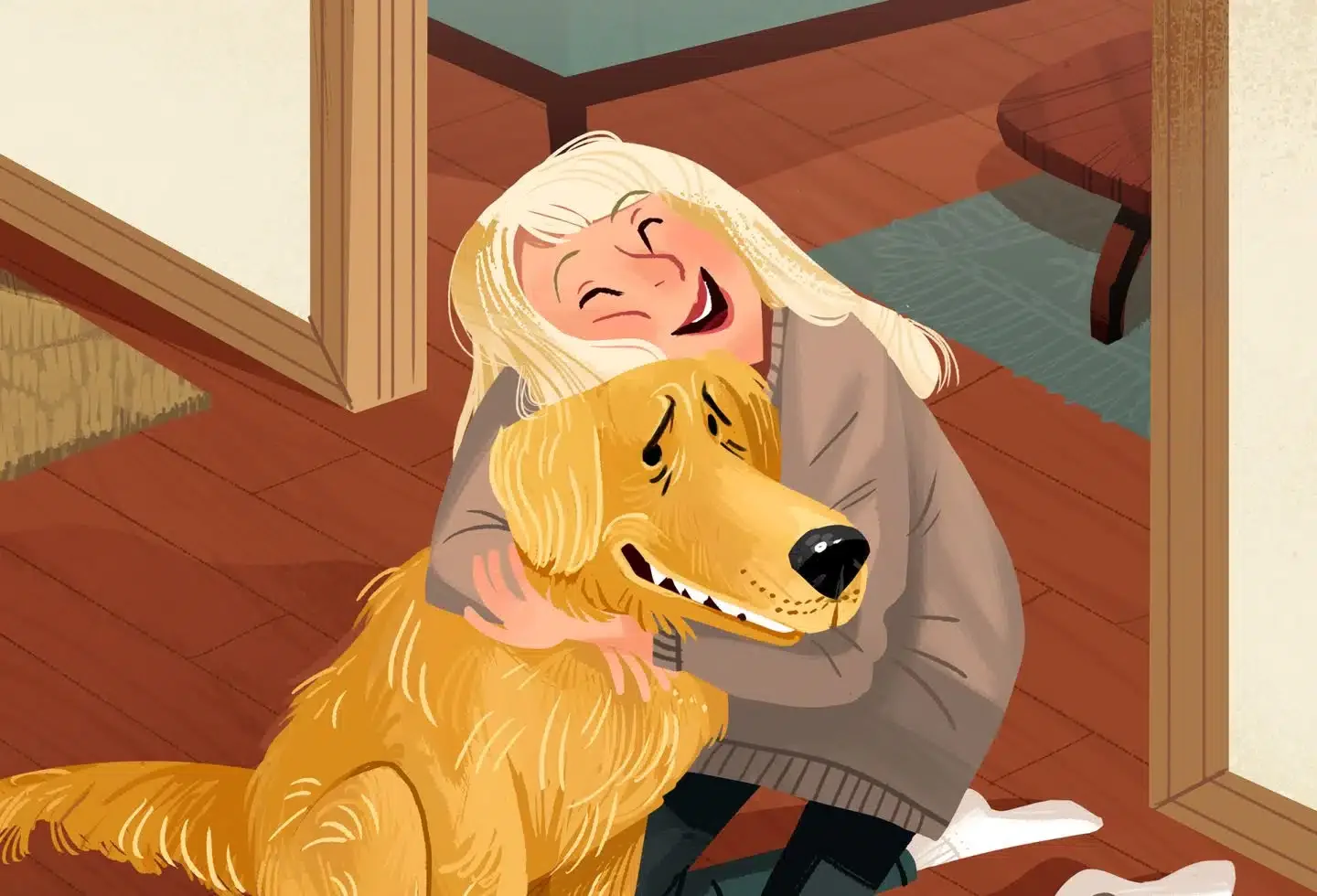
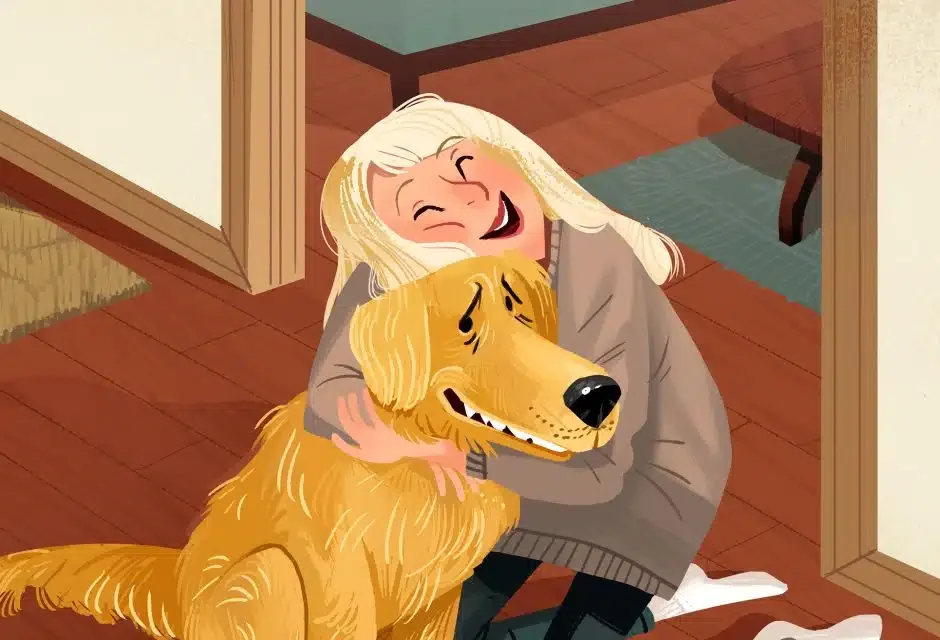
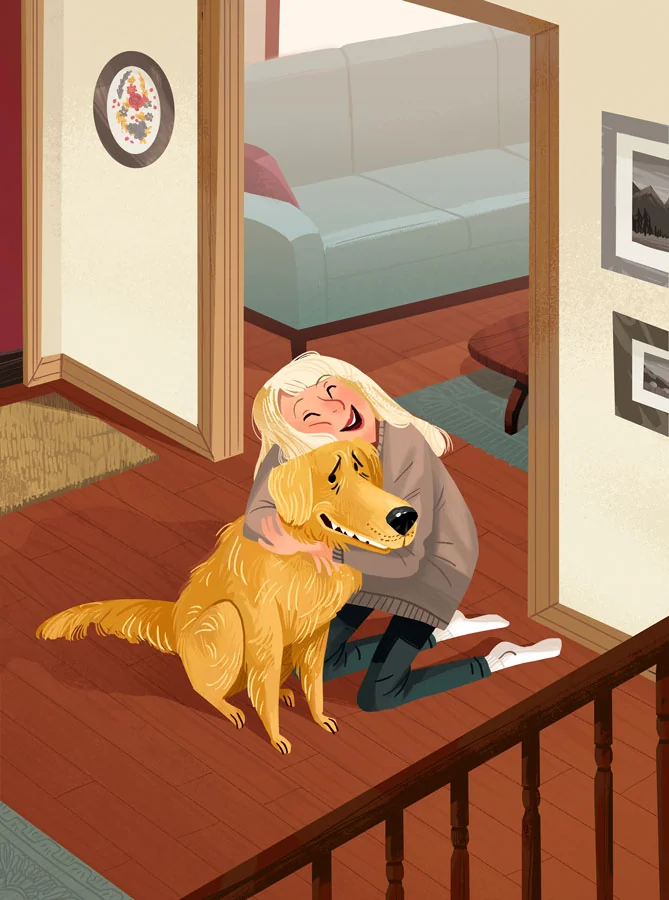
Your own dog may not mind your everyday hugs. But lots of dogs hate tight squeezing, especially from strangers or kids. Unlike primates, canines never evolved grabbing each other to show love. In fact, when a dog drapes a paw or body over another, it's usually a power play. So unless your dog clearly lives for hugs, steer friends and family toward gentle petting instead.
Yelling hits a dog as angry barking—which spells trouble. As training, it barely works to kill bad habits and only scares, confuses, or riles them up. Skip the shout; stay calm and play with tone. A low tone says 'Hey, I need your attention,' while a bright tone means 'Good job!' or 'Let's play.' Tweak the pitch, not the volume, and you'll get his focus without annoying or frightening him.
Kids especially love to tease. Barking back through a fence, yanking tails or ears, or chasing a dog who wants none of it can spook a pup into shyness, insecurity, or even aggression. Shoving his bowl mid-meal, playing keep-away with no payoff, or endless laser games can send a dog round the bend—so cut the teasing and be sure to reward him the second he nails a behaviour.
Dogs are pack animals, and you and your crew are that pack. A dog left solo in house or yard ten-plus hours a day can develop a pile of behaviour and mental issues—separation anxiety, nonstop barking or digging, destruction, even escape. He can even lose house-training and, in the process, wreck your place.
Your dog's family, so he needs your time. If you're out all day with no one home, ask a pal or neighbor to drop by daily for a walk. If that's impossible, be sure to give him quality time when you're back—a stroll, a game of fetch, whatever lights him up. When you are home, keep him near you. Time with others is key to his wellbeing, so however you swing it, get him some company.
Plenty of dogs get prickly or defensive when dumped into a park packed with too many strange dogs. Picture being shoved into an elevator with twenty clowns and you'll get it. (Next read: Are Dog Parks Actually Bad For Dogs?)
Same goes for doggie daycares. If your dog's social, he should mesh with six or seven others, provided the space is roomy and the dogs well-mannered. But pile on the numbers or shrink the room and you'll likely see stress—pinned ears, low tails, yawns, avoidance, even the odd scrap.
Is your dog social and sturdy enough for rough play? If yes, try a park or daycare with a sane headcount (about one dog per 150 square feet). If he's shy, socialize him with a few known, mellow dogs instead. Skip parks or daycares packed with frantic pups.
I was dreaming, dude! Even the sweetest dogs hate a sudden wake-up. Older dogs especially—who sleep deeper—and those with weak hearing that can't catch someone approaching can get spooked by a hand landing on them.
Let your dog wake on his own, no touching or sneaking up. Kids especially should learn not to bug a sleeping dog. You wouldn't want yanked out of a good dream—why would he? If you must wake him, do it slow, quiet, and gentle.
Your dog will side-eye new animals in his home—it's his natural instinct to guard his turf. But some folks, assuming all dogs automatically love other dogs, let friends bring theirs over unannounced. That can annoy even the chillest pup and might spark a fight.
Instead, first meet any new dog on a walk. Then bring him inside on leash and have both do down/stays a few minutes. Reward with treats, then let them mingle calmly. Pick up toys and chews first to cut arguments. Got a fenced yard? Let them burn off social energy out there.
Stick to the script. Dogs bank on routine. Feeding, potty breaks, walks, play—your dog hardwires these into his head and expects them daily, same as clockwork. If you randomly shift dinner, take him out late, or come and go on a whim, it stresses him and can trigger behaviour problems. As best you can, keep the same times, same food, same ritual play—whatever's working. On days off, don't sleep in too late. And even when tired, walk him each morning before work.
Every trainer's goal is a loose-leash walk, proof the dog's tuned in. But most dogs today drag their humans down the street, leash taut behind them. That means not only is he not paying attention, he's got constant pull on his collar or harness—which can breed health issues. Though the dog technically makes the tension, it still bugs him.
Teach loose-leash walking by flipping your direction and pace often and without warning. The instant he loses focus, about-face and head the other way, leash as slack as you can. Slow to a crawl, speed up, circle left or right—whatever he doesn't see coming. When he responds to those shifts, reward him with a tidbit he can eat on the move, at your side. You'll soon have a focused, happy dog at the end of a loose leash.
Make up your mind already. You often let your Golden Retriever jump on you when you get home. But when your mom visits, you scold him for the exact same move on her. That mixed message confuses dogs, who can't puzzle out what you want. To dodge it, decide precisely what you do and don't want, then hold the line. If jumping's banned, never tolerate it. If begging's out, never fork over plate food. Stay as consistent as you can with the rules.
Are you greeting or attacking? Most folks don't know how to properly say hi to a dog. They crouch, stare, stick a hand out, and babble weird baby talk. That's a threatening way to meet a dog. First, the crouch mimics a predator's pre-strike pose. The stare's a second threat, topped only by the reaching hand invading his space, begging for a nip. Not only is this an annoying hello, it can be risky. The best way to greet a strange dog is not to. Greet his person instead. While you do, the dog will sniff you and read that his human's at ease with you. If the dog seems relaxed and his person gives the nod, you can casually reach down and give a quick head pat. That's it.
Not every dog hates hugs, but many find them awkward. We see hugging as love; dogs can read it as restraint or pressure. Some tolerant, well-socialized pups tolerate hugs, but others feel stressed or trapped. Watch his body language—if he stiffens, turns his head, or tries to leave, he's likely not into it.
Dogs get annoyed when our behaviour feels confusing, overwhelming, or intrusive. Common triggers: loud voices, mixed rules, forced contact, or ignoring their need for space. Since dogs count on clear signals and routine, mixed messages or overstimulation breed frustration. What feels harmless to you can be stressful from his side.
Dogs signal discomfort through subtle body language. Watch for yawning, lip licking, head turns, pinned ears, a stiff body, or avoided eye contact. Louder cues include growling or walking off. Catching these early lets you step in before he gets more stressed or reactive.
Dogs rarely jump straight to loud reactions like barking or snapping. Usually they flash subtle warnings first—and learning to spot them helps you step in before he stresses or reacts.
Common signs your pup turns out to be annoyed or uncomfortable feature:
If these early signals get ignored, dogs may ramp up to louder moves like growling, snapping, or walking away.
Tuning into these cues matters. They're your dog's way of asking for space or saying something's off. The sooner you answer, the easier it is to keep him safe, relaxed, and understood.
Next on the Carpet